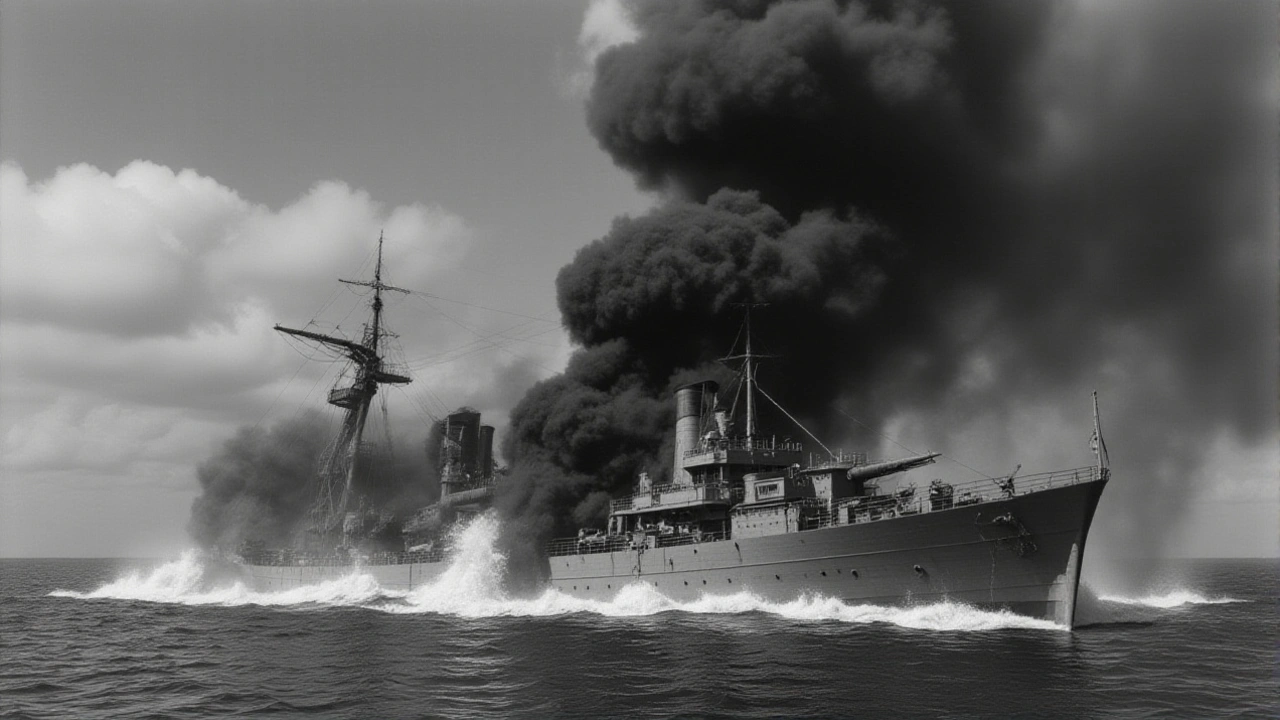
Pearl Harbor: The Attack That Changed America and the World
When Pearl Harbor, a U.S. naval base in Hawaii that became the target of a surprise military strike by Japan on December 7, 1941. Also known as the day that live in infamy, it was the moment the United States was pulled into World War II. That morning, without warning, Japanese planes flooded the skies over Oahu. Battleships burned. Planes were destroyed on the ground. Over 2,400 Americans died in under two hours. The U.S. Pacific Fleet didn’t just suffer damage—it was crippled. And the nation’s isolationism died with it.
The Japanese attack, a meticulously planned operation designed to neutralize American naval power in the Pacific before Japan expanded its empire wasn’t random. It was strategic. Japan needed control of Southeast Asia’s resources—oil, rubber, tin—and knew the U.S. Navy in Pearl Harbor could stop them. They chose Sunday morning because they expected lower readiness. They were right. The USS Arizona, a battleship that exploded after a bomb hit its magazine, killing 1,177 crewmen and now resting as a memorial at the bottom of the harbor became the most haunting symbol of that day. Its wreckage still leaks oil, a quiet reminder that some wounds never heal.
What followed wasn’t just war—it was transformation. The U.S. went from a nation debating whether to get involved to one fully mobilized. Factories switched from cars to tanks. Women took factory jobs. Rationing became normal. And within days, Congress declared war. The US Pacific Fleet, the core of American naval strength in the Pacific that was targeted to prevent interference with Japanese expansion didn’t stay down. Carriers, which weren’t in port that day, became the new backbone of the war effort. Pearl Harbor didn’t win Japan the war—it gave the U.S. a reason to fight with everything it had.
Today, the attack is remembered not just for the loss, but for the resolve it sparked. Veterans still visit the Arizona Memorial. Students learn the date by heart. And every December 7, the U.S. honors those who didn’t come home. The stories you’ll find here aren’t just about military strategy or political decisions. They’re about people—sailors caught in the smoke, families waiting for news, soldiers who turned grief into purpose. This collection doesn’t just revisit history. It shows how one day changed the course of a nation, a war, and the world.
On the 84th anniversary of the Pearl Harbor attack, the 2025 ceremony marked a historic first: no survivors attended. With only 12 centenarians still alive, the U.S. Navy and National Park Service now rely on digital archives to preserve memory.