
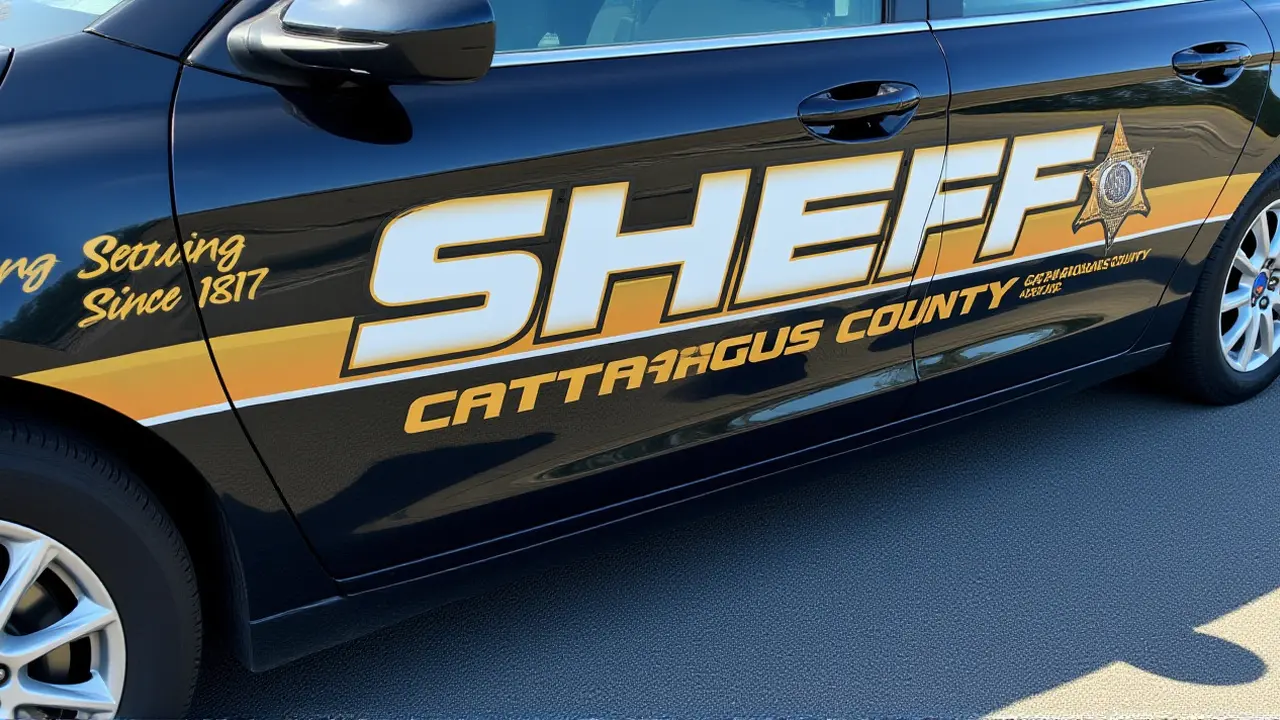
It’s the kind of roadside encounter that turns tense in a heartbeat. According to deputies, a man identified only by his surname as Sherwood made threats after being arrested during a routine traffic stop in Cattaraugus County, New York. The incident, reported by local outlet 2 On Your Side (WGRZ), highlights the volatile split-second decisions officers face when drivers reach for weapons.
The situation escalated quickly. An officer involved in the stop stated that Sherwood reached toward his side and placed his hand on a gun. In response, the deputy drew his own firearm. While the exact sequence of events remains under investigation, the core allegation is clear: Sherwood allegedly made threats following his arrest, adding another layer of complexity to what began as a standard traffic enforcement action.
A Tense Encounter on the Road
Here’s the thing about traffic stops—they’re supposed to be brief and administrative. Check registration, issue a ticket if needed, send everyone on their way. But when weapons are involved, the dynamic shifts instantly. In this case, the officer’s account suggests a perceived threat triggered an immediate defensive response.
The details provided by the Cattaraugus County Sheriff’s Office indicate that Sherwood’s movement toward his firearm was the catalyst. Whether the weapon was holstered, loaded, or legally possessed isn’t specified in the initial reports. What is known is that the deputy felt compelled to reach for his service weapon, a standard protocol when an officer perceives an imminent danger.
This isn’t just about one bad stop. It reflects a broader pattern of high-stakes interactions between law enforcement and motorists across rural New York. With fewer witnesses and limited camera coverage in some areas, these incidents often rely heavily on the officers’ testimonies and any available dashcam footage.
What We Know So Far
Let’s break down the confirmed facts versus the unknowns. Right now, the information is sparse but significant:
- The Actor: A man with the last name Sherwood.
- The Location: Somewhere within Cattaraugus County, NY.
- The Trigger: A traffic stop leading to an arrest.
- The Escalation: Sherwood allegedly reached for a gun; the officer responded in kind.
- The Aftermath: Allegations that Sherwood made threats post-arrest.
Interestingly, the specific nature of the threats hasn’t been released. Were they verbal? Written? Directed at the officers or someone else? These details matter because they could influence the charges filed. Under New York Penal Law, menacing or terroristic threats can carry serious penalties, especially when combined with obstruction or resisting arrest.
Law Enforcement’s Perspective
For deputies in Cattaraugus County, every call carries risk. The sheriff’s office has emphasized the importance of officer safety in recent years, particularly as public scrutiny of police conduct intensifies. When an officer reaches for their firearm, it’s usually the last resort—a reaction to a perceived lethal threat.
“The officer states Sherwood reached toward his side and placed his hand on a gun,” reads the partial account from the report. That single sentence encapsulates the gravity of the moment. In training, officers are taught to react to movements that suggest access to deadly force. Whether Sherwood intended harm or was simply reaching for identification may never be fully clear without video evidence.
However, the allegation that he made threats *after* being arrested suggests a continued defiance. This behavior can lead to additional charges, potentially including criminal mischief or harassment, depending on the severity and context of the statements.
Broader Implications for Rural Policing
This incident isn’t isolated. Across upstate New York, rural counties like Cattaraugus face unique challenges. Fewer resources, longer response times, and less dense populations mean that each interaction carries disproportionate weight. When a traffic stop goes wrong, the community feels it acutely.
Experts in police-community relations note that transparency is key. Releasing body-worn camera footage, when available, helps build trust. Without it, rumors fill the void. In this case, the lack of detailed reporting leaves room for speculation. Did Sherwood have a legal right to possess the firearm? Was the initial traffic violation minor or severe? These questions remain unanswered.
Moreover, the psychological toll on both parties is real. For the officer, the adrenaline spike from drawing a weapon lingers. For the suspect, the fear of escalation can lead to erratic behavior. Understanding this human element is crucial for contextualizing such news stories beyond the headlines.
What Happens Next?
Now that Sherwood is in custody, the legal process begins. Prosecutors will review the evidence, including any video recordings, witness statements, and the officers’ reports. If charges are filed, they could range from disorderly conduct to more serious felonies involving weapons and threats.
Residents of Cattaraugus County should watch for official press releases from the sheriff’s office. Typically, these provide updates on bail hearings, court dates, and final charges. Until then, the story remains in flux.
Historically, similar cases in New York have seen mixed outcomes. Some suspects plead out to lesser charges; others go to trial. The presence of credible video evidence often tips the scale. If dashcam footage exists here, it will likely become the focal point of any legal proceedings.
Frequently Asked Questions
Who is Sherwood and why was he stopped?
Sherwood is the surname of the man arrested during a traffic stop in Cattaraugus County. The specific reason for the initial stop—such as speeding or equipment violations—has not been publicly disclosed. His full identity and background remain private pending legal proceedings.
Did the officer use excessive force?
There is no indication that excessive force was used. Reports state the officer reached for his firearm in response to Sherwood placing his hand on a gun. This is a standard defensive maneuver when an officer perceives a threat. An internal review will determine if protocols were followed correctly.
What charges might Sherwood face?
Potential charges could include menacing, obstructing governmental administration, and possibly weapons-related offenses depending on the legality of the firearm. The allegations of making threats after arrest may add harassment or terroristic threat charges under New York Penal Law.
Is there video evidence of the incident?
It is unclear if dashcam or body-worn camera footage exists or will be released. Such evidence is critical for verifying the sequence of events. The Cattaraugus County Sheriff’s Office typically reviews footage before deciding whether to make it public.
